

Let’s explore Nepal’s Hidden Himalayan Gem – Langtang Valley (The third most popular trekking region of Nepal). Trek through ancient and typical Tamang villages, lush forests, glacier valleys, and breathtaking mountain landscapes to the spectacular Langtang Valley and Kyanjin Ri (4,773m), Tserikuri (4950m), and Langshisa Kharka. A perfect Himalayan adventure just a few hours from the capital city, Kathmandu.
Walking inside the Langtang National Park to explore the nature and culture of the region is known as the Langtang Valley Trek. The differentness of the Tamang community and their authentic culture is the main reason for the excursion to Langtang. Langtang stands as one of the UNESCO World Heritage Sites, which means this is the must trek trekking trail in Nepal.
Pass the little settlement, walk in the dense forest, and cross the wild rivers and animals. To reach the everyday destination. While climbing up to the upper area, the necked lands will welcome you, and the altitude makes you want to rest. But the vistas of the surroundings will push you to get to the destination.
Myths say that a Buddhist monk followed his lost Yak in that direction and found the valley. And Langtang’s name came after that. Lang means Yak, and Tang means to follow in the local language.

Langtang Village was completely swept by an earthquake in 2015 that killed more than 300 people, including some foreign trekkers. And the whole Langtang area was badly affected by an earthquake in 2015. After the earthquake, many people are homeless and their family members.
Tourism is the only source of income for the people of Langtang. However, an earthquake and the coronavirus pandemic stopped trekkers from going on that trail. And people are unable to emerge from that demonstrative earthquake. Your one trek to Langtang is direct support to those locals who had survived that perilous natural disaster.
Trek Overview
- Trek Region: Langtang National Park
- Trekking Duration: 7–10 Days
- Trek Starting Point: Syabrubesi (1,503m / 4,931ft)
- Trek Ending Point: Syabrubesi (1,503m / 4,931ft)
- Maximum Elevation During the Trek: Kyanjin Ri (4,773m / 15,659ft)
- Trek Level/Grade: Moderate
- Type of Accommodation: Teahouses/Lodges
- Best Trekking Seasons: Spring and Autumn
- Nearest City: Kathmandu (1,400m / 4,593ft)
Langtang Valley Trek Itinerary

Day 1: Drive from Kathmandu to Syabrubesi
Drive Duration: 5 to 6 Hours approximately
Max Elevation: 1,503m
Enjoy scenic views of villages, rivers, hills, terraced fields, and mountain landscapes.
Day 2: Syabrubesi to Lama Hotel
Walking Duration: 5 to 6 Hours approximately
Max Elevation: 2,470m
Follow the Langtang River through dense forests rich in wildlife and birdlife.
Day 3: Lama Hotel to Langtang Village
Walking Duration: 6 to 7 Hours approximately
Max Elevation: 3,430m
Pass through Ghodatabela and enjoy the first major views of Langtang Lirung.
Day 4: Langtang Village to Kyanjin Gompa
Walking Duration: 3 to 4 Hours approximately
Max Elevation: 3,870m
Visit ancient monasteries, yak pastures, and the famous local cheese factory.
Day 5: Acclimatization and Hike to Kyanjin Ri or Tesrikuri
Max Elevation: 4,773m / 4950m
Enjoy spectacular panoramic views of
- Langtang Lirung (7,227m)
- Dorje Lakpa (6,966m)
- Gangchempo (6,387m)
- Yala Peak (5,500m)
- Langtang Glacier
Day 6: Trek Back to Lama Hotel
Walking Duration: 6 to 7 Hours approximately
Retrace the trail through Langtang Village and beautiful forests.
Day 7: Trek to Syabrubesi
Walking Duration: 5 to 6 Hours approximately
Complete the trek and celebrate your Himalayan adventure.
Day 8: Drive Back to Kathmandu
Drive Duration: 5 to 6 Hours approximately
Return to Kathmandu with unforgettable memories of Langtang Valley.
Note: The Langtang region offers a variety of trekking routes. In this route, you can add more days on the other side. Such as the Tamang Heritage Trail Trek, the Gosainkunda Trek, and you can even continue to the Helambu Trek. The only matter is your holiday duration and budget.
When to do the Langtang Valley Trek

Langtang is always open for trekkers, all year and all seasons. Hence, you can trek anytime. However, Spring and Autumn are the best times to make a journey to Langtang Valley. In Nepal, spring starts in March and ends in May, and autumn starts in September and ends in November. Between these months, anytime, you can travel there.
Winter starts in December and lasts till February. This period also offers the best scenery in the region. But frozen water, snowy trail, and chilly weather made you very cold in the morning and evening.
Summer begins in June and says bye in August. Summer is the rainy season in Nepal, so walking in the rain is not that fun. The vistas of the surroundings are not attractive. And a very fun and irritating part is that the leeches (bloodsuckers) will attract you along the way.
Best time to do the Langtang Valley Trek
Spring – March, April, and May
Autumn – September, October, and November
Winter – December, January, and February
Food and accommodation during This Trek.
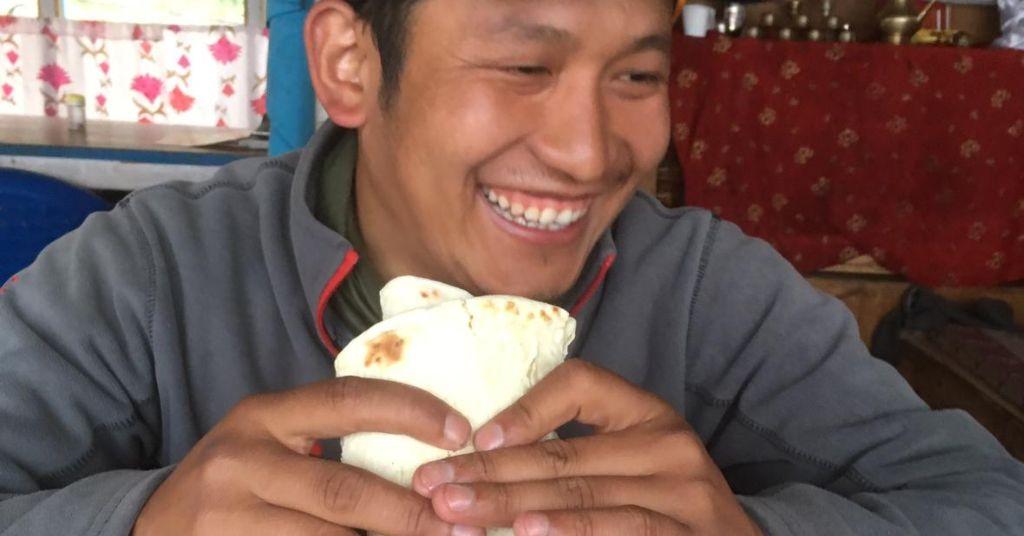
Langtang Valley Trek is a well-established trekking trail in Nepal after Everest and Annapurna. That is why there are plenty of tea houses and guest houses for travelers, and those are comfortable enough. But there was a huge impact from the 2015 earthquake that distorted a lot of villages. And the most destroyed one in this region is Langtang Village.
However, now this area is completely recovered and has been rebuilt with better accommodation than the previous one. All the hotels and guest houses will offer a menu and various types of food and drinks. Trekkers can eat food from Asian to American and European flavors. To drink water, there is safe drinking water as well as available bottled mineral water.
Addable Treks with Langtang Trek.
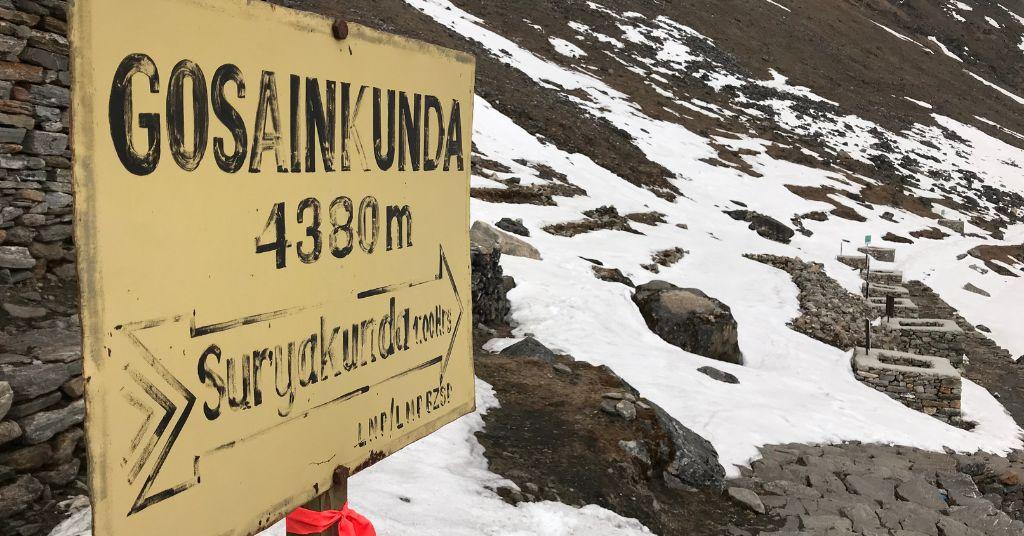
Langtang Trek is the heart of the Langtang region trek. The direct itinerary of this trek will be 6 nights and 7 days from Kathmandu to Kathmandu. Although this can extend to 15 days or more. Because Langtang Trek can add with Tamang Heritage Trail Trek, Gosainkunda Trek, Ganjala Pass Trek, and Helambu Trek.
The Tamang Heritage and Helambu Trek are more about cultural treks. On the other hand, Gosainkunda and Ganjala Pass Trek are more natural and a bit harder trek. But doing these treks can be the best choice for the phenomenon trekking memories from Nepal.
How to get there.
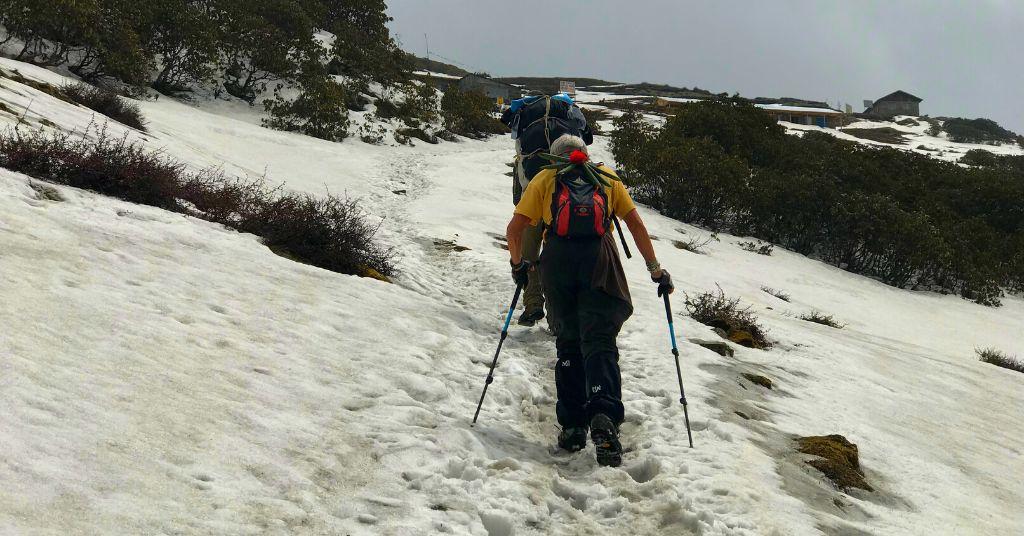
Every day, buses and jeeps go to Dhunche, Syaprubesi, and Kerung. You need to buy a ticket and make a 5 to 6-hour journey to Dhunche or Syaprubesi. The bus and jeep will leave from Machhapokharai, Kathmandu.
And if you travel by private vehicle, take a route to Thankot or Kakani. Both highways will take you to Makawanpur and then to Rasuwa. The Kathmandu to Kerung highway is the shorter route to go to Tibet, China.
Conclusion
The Langtang Valley Trek is one of Nepal’s sweet and short trekking destinations, combining stunning mountain views, rich Tamang culture, diverse wildlife, and unforgettable Himalayan landscapes. From the forests of Syabrubesi to the panoramic summit of Kyanjin Ri, Tserikuri, or Langshisa Kharka, every day offers the best experience. For trekkers seeking an authentic Himalayan journey away from the crowds, Langtang Valley is an exceptional choice that delivers adventure, culture, and natural beauty in equal measure to Annapurna and Everest region treks.


It’s an amazing paragraph in favor of all the online visitors;
they will obtain advantage from it I am sure.
I read this piece of writing fully concerning the
resemblance of most recent and previous technologies, it’s awesome article.
What’s up, everything is going nicely here and ofcourse every
one is sharing information, that’s actually fine, keep
up writing.
Also visit my blog post :: residential renovation Thornhill Canada
Asking questions are actually good thing if you are
not understanding something fully, but this post offers
fastidious understanding yet.
My web site: ฟาร์มปลูกกัญชง
I was suggested this blog by my cousin. I’m not sure whether this post is written by him
as no one else know such detailed about my trouble. You’re incredible!
Thanks!
Review my page: nevada auto insurance
This excellent website truly has all the info I wanted about
this subject and didn’t know who to ask.
Feel free to visit my web blog :: prestige basement finishing
you are in reality a excellent webmaster. The web site loading velocity is amazing.
It kind of feels that you’re doing any distinctive trick.
In addition, The contents are masterwork. you have
performed a wonderful activity on this topic!
Feel free to visit my blog post – quote online
I think the admin of this web site is truly working hard in favor of his web page, because here every data is quality based information.
Review my blog post … Wicker Furniture, http://Www.Pearltrees.Com/Hdell352Bulb8,
Hi there, every time i used to check blog posts here in the early hours in the dawn, because i like
to learn more and more.
Hello! Do you use Twitter? I’d like to follow you if that would be ok.
I’m definitely enjoying your blog and look forward to new updates.
Your way of describing everything in this paragraph is truly nice,
every one be capable of effortlessly understand it, Thanks a lot https://www.provenexpert.com/en-us/pub009/
Great post. I was checking continuously this blog
and I am impressed! Extremely helpful info particularly
the last part 🙂 I care for such info much. I was looking for this
particular info for a very long time. Thank you and best of luck.
I have read so many posts regarding the blogger lovers but this article is really a
good paragraph, keep it up.
Hello! Always a joy to see you.
Greate article. Keep posting such kind of info on your blog.
Im really impressed by it.
Hi there, You’ve performed a fantastic job. I’ll certainly digg it and in my
opinion recommend to my friends. I’m sure they will
be benefited from this site.
[…] Langtang Valley Trek is one of Nepal’s finest short trekking adventures. This 7-day trek offers a perfect […]