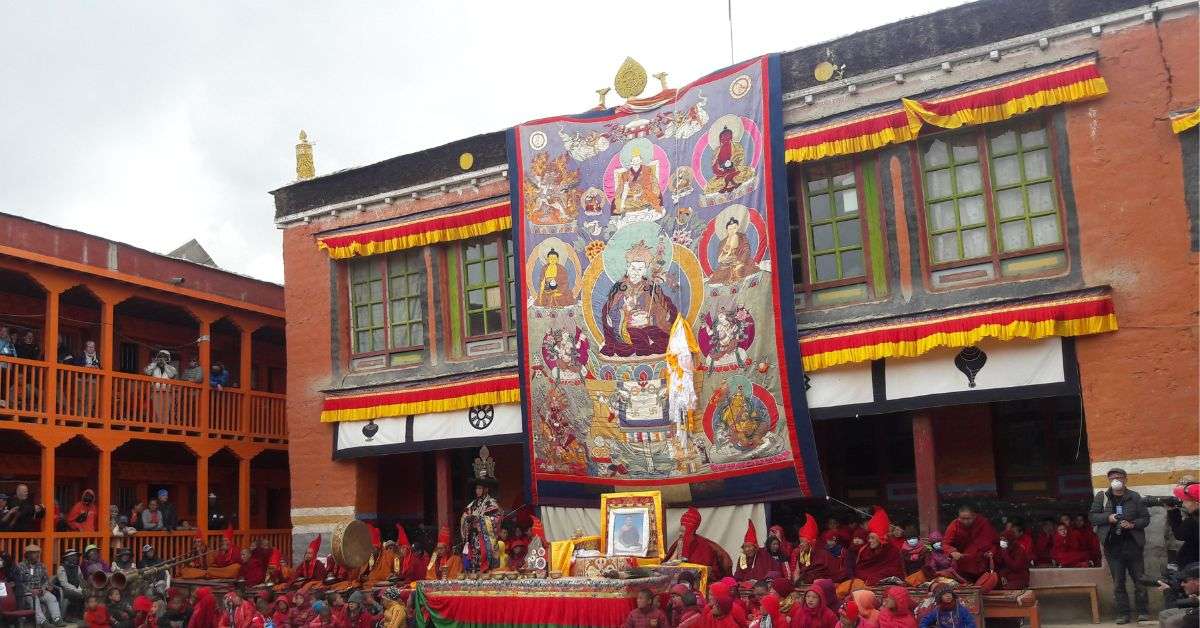

Upper Mustang is located at the border with Tibet, China, and also the people of the Mustang originated from Tibet. That is why the culture, tradition, and lifestyle of the Mustang people are related to those of the Tibetan people. The Mustang Tiji Festival is one of the most auspicious, cultural, and traditional celebrations continueing since centuries. It has its own beliefs, faith, morals, and values. This annual festival will be celebrated in the late forbidden Himalayan kingdom of Lo Manthang.
Tiji is the short form of the Tempa Chirim; in the local language, it means prayers for world peace. The Tiji Festival is an annual celebration that takes place over three days publicly in the walled city of Lo Manthang, Upper Mustang, Nepal. Thousands of people from the whole Mustang region will travel to Lo Manthang to participate in this auspicious celebration. Not only will the local people join in this carnival, but also foreign travelers will join to observe the beauty of Tiji.
The Upper Mustang region is a Buddhist kingdom, as evidenced by the centuries-old Buddhist monasteries and stupas found in each village. It means the Upper Mustang Tiji Festival is directly connected with Buddhism and the Buddhist religion. The oldest Monastery in Upper Mustang is Ghar Gumba. It’s believed that it was built by Guru Rimpoche, known as the Padmashamvaba as well. In the 8th century, while he was traveling to Tibet via the Upper Mustang.
Tiji Festival Celebration
As a legend regarding the celebration of the Tiji Festival, it is said that the bad demon was spreading the deadly disease to the region and creating a water shortage in the whole area. And then a good person comes and fights with the scary devil and wins over that harmful evil. Since then, this festival has been celebrated in Mustang.
This festival will be celebrated for 3 days in Lomanthang, Upper Mustang, usually during May. Those three days will include colorful mask dances by monks and chanting of Buddhist mantras. It will be full of people, including locals, VIPs, foreign tourists, and even the king of Mustang at the celebration place. The monks will prepare the dance, and they practice it for a long time.
Day 1 of the Tiji Festival Celebration

On the first day, the monks from Chhode Monastery and locals prepare for the festival at the square near Royal Place. The festival will begin with the sound of the Tibetan horn blown by the monk, and then the sound of the other instruments played by the Lamas. Then people will gather at the square, and a huge Thanka Painting will hang on the wall. And then Lamas will perform their chant and various dance forms. This dance form, called Tsa Chham, is about the story behind the fighter Dorje Jono, who fights with the demon. It is believed that these dances originated in the 15th century.
Day 2 of the Mustang Tiji Festival

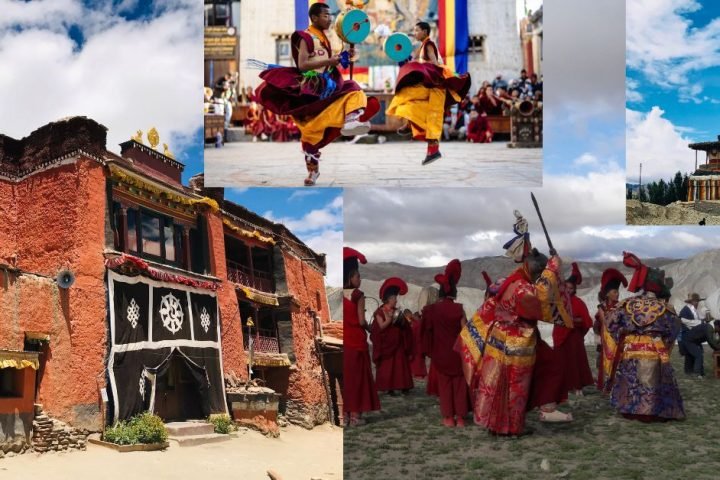
On the second day, dance and sing, and the performance continues. The second day’s dance form is Nga Chham. This dance shows that the warrior Dorje Jono tries to bring evil to the Buddhist Universe. Today’s various dance form showcases the importance of Buddhist deities to spread peace and love to the world. The second day of the Tiji Festival’s performances are very important day. Today, dance forms and chants that are performed by the monks are in colorful costumes.
Day 3 of the Upper Mustang Tiji Festival celebration – The final day of the festival

On the third day of the Tiji Festival, the monks will conduct a dance called Rha Chham. This dance form will show a sense of victory over the bad. To end the festival, the monk dance performance will move from the square to the open area outside the Lomanthang Village. While moving from a square to an open area, there will be gun shooting, blowing, and playing with various kinds of equipment in front of the huge mass.
Why Tiji Festival celebrated in Mustang?
The Tiji Festival will be celebrated in Mustang because it is a cultural tradition that has been passed down through generations of the people who live in this region of Nepal. Mustang is a dry region located in the Trans-Himalayas, and Mustang used to be an independent kingdom. The Upper Mustang has close cultural, traditional, and trading ties with Tibet, even today. The Upper Mustang Tiji festival has been celebrated in this region for centuries and is an important part of the local culture and tradition.
This remarkable festival is celebrated to mark the victory of good over evil and is based on a mythological story of a demon named Ma Tam Ru Ta, who caused havoc in the region, causing drought and famine. A saint named Dorje Jono was believed to have fought and defeated the demon. Since then, the Tiji festival celebrated his victory over demons and saved the region.
The Tiji Festival is a very unique and important celebration of the Mustang region because it will not be celebrated in other parts of Nepal. The festival is an important cultural event for the people of Mustang. This festival attracts visitors from all over the world who are interested to learn about the rich culture and traditions of the region. This festival provides an opportunity for the people of Mustang to come together and celebrate their unique cultural traditions and history.
When will the Tiji Festival be celebrated?
Tiji Festival is a three-day annual event celebrated in the Lo Manthang region of Upper Mustang in Nepal. The Festival usually falls in late May or early June, depending on the Tibetan lunar calendar. However, the exact dates for the Festival may vary each year, as it depends on the lunar cycle.
If you are planning to attend this Festival, it’s best to check the specific dates with a local travel agency for the latest information. They can provide you with the most up-to-date information and help you plan your trip accordingly.
The upcoming dates of the Mustang Tiji Festival are as follows.
The 2026Tiji Festival dates are the 13th, 14th, and 15th of May
The 2027 Tiji Festival dates are the 1st, 2nd, and 3rd of June
Conclusion – The story behind the Tiji Festival
The Mustang Tiji Festival is a cultural and traditional event that takes place in Lomanthang, Upper Mustang, for 3 days. This Festival is a popular religious festival that attracts tourists from all over the world. Those who come to witness the unique cultural traditions of Upper Mustang, Nepal, will learn about Himalayan Buddhism. It is a fascinating and colorful celebration that offers a glimpse into the rich history, culture, and traditions of the upper part of Mustang.



Hey I am so grateful I found your blog page, I really found you by mistake, while I was researching on Yahoo for something else, Anyways I am here now and would just like to say many thanks for a tremendous post and a all round enjoyable blog (I also love the theme/design), I don’t have time to read it all at the moment but I have saved it and also added your RSS feeds, so when I have time I will be back to read more, Please do keep up the superb job.
I really appreciate your work, Great post.
Excellent post. I was checking constantly this blog and I am impressed! Extremely useful information specially the last part 🙂 I care for such info a lot. I was seeking this certain info for a long time. Thank you and best of luck.