
I have been working in the trekking guiding field for the last 20 years and have been guiding trekkers to the Khumbu region. I have learned one truth about the Everest Base Camp (EBC) Trek: it changes’s beauty as per different seasons. The spring and autumn seasons are very popular for trekking to Everest Base Camp in Khumbu. But winter (December to February offers a different, quieter, snowy, and more challenging trekking experience.
Everest Base Camp Trek in the Winter season is not about comfort or crowds. It is all about the sharp Mountain vistas, silent trails, clear skies, and a perfect connection to the mighty Himalayas. For those it can be deeply rewarding who prepared mentally and physically. This will be very unforgiving who are not prepared for how nature will react during the winter season.
This blog is written to help you decide honestly that winter is the best time for you to walk to the foot of the world’s highest peak.
What Makes Winter Trekking to EBC Unique?
The winter season brings the Everest region back to its own strips. The air will be cold and dry, the trails are far quieter than peak season, and the skies are often crystal clear.
For many visitors, the peace and calmness of the Mt. Everest region is the greatest gift. The mountains feel closer when there is less crowd, noise, and pollution around them.
I have guided many groups to the Everest region; those groups who trekked there during winter saw Everest shining gold at sunrise and sunset for five days in a row. Which is something we can not experience during the other trekking season
During the winter season Everest Trek, you will experience
- Tea houses are quiet, and sometimes even empty.
- Will walk for an hour and hours without meeting other trekking groups.
- Even popular places like Lukla, Namche Bazar, Dingboche, and Gorekshep feel calmer and more personal.
- Exceptional view on clear days.
- Dramatic light in the morning and evening.
- High contrast glimpse of Mount Everest, Lhotse, Amadablam, Nuptse, and other surrounding peaks.
Weather and Trail Conditions during the Winter Season (December to February)
Trekking to Everest Base Camp during the winter season is not as easy a job as you think. You must prepare every essential, from trekking gear to physical and mental strength. Understanding and researching carefully about winter conditions carefully is essential before embarking on the journey. Most of the wintertime, the standard Everest Base Camp Route remains possible, but flexibility is very important.
Temperatures
The temperature will vary greatly according to altitude. Specifically during the daytime and nighttime. The wind will be chill, which will make it feel significantly colder, especially above 4000 meters.
Lower Village or lower elevation (Lukla to Namche Bazar)
- Daytime 5 to 10 degrees Celsius
- Nighttime -5 to 0 degrees Celsius
Upper Village or Upper elevation (Tengboche, Dingboche, Lobuche, and Gorekshep)
- Daytime -5 to 5 degrees Celsius
- Nighttime -15 to -25 degrees Celsius
Snow and trail conditions
- Trekking trails are often dry and dusty at lower elevations.
- Above Dingboche, the trail can be icy, especially in the morning.
- Snowfall is usually not that heavy, but it can be unpredictable.
- Heavy snowfall and snowy stroma are rare but have a high chance of facing them.
Pros and Cons of doing the Everest Base Camp Trek in winter compared to peak season.
There is many advantages and disadvantages of doing the Everest Base Camp Trek during the winter season. Those are listed below as my experience of the advantages of winter trekking.
- Fewer Crowds – the winter season will provide you with a more peaceful, enjoyable, and fantastic trekking experience.
- Clear Skies – During the winter season, excellent Mountain views will offer the perfect photography conditions.
- Authentic Interactions – As a traveler, you will get more time and opportunities to chat with local hosts.
- Lower Cost – As winter is off trekking season in Nepal, you will get trekking packages at a lower cost.
Disadvantages of winter season trekking.
- Shorter daylight for walking
- Extremely cold at night
- Some teahouses may be closed at higher altitudes.
- Need to prepare more than usual.
Trekking to Everest Base Camp during the winter season is not harder in terms of topography. But it is less easygoing if you are underprepared.
Cultural Experience During the Winter Everest Base Camp Trek.
The upper Khumbu region is the home of the Sherpa community, from where the world-famous Sherpa’s born, such as Kami Rita, Tenzing Norge, and many more. The winter season is working time for the locals, so when you travel this time, you will encounter locals working on their land.
Major festivals are usually celebrated outside of winter, and the monasteries are also quieter and more welcoming. Visiting the most popular monastery at Tengboche in the cold time will give you a powerful experience.
The extra beauty of Khumbu during the winter season.
As the Khumbu region is high high-altitude area, winter transforms familiar landscapes and the surroundings into something almost magical.
Snow dusted Forests and Frozen Lakes and Rivers. The Dudh Koshi River partially freezes, Lakes are all frozen, suspension bridges feel quieter and more dramatic. And the Pine and Rhododendron trees will carry frost and light snow.
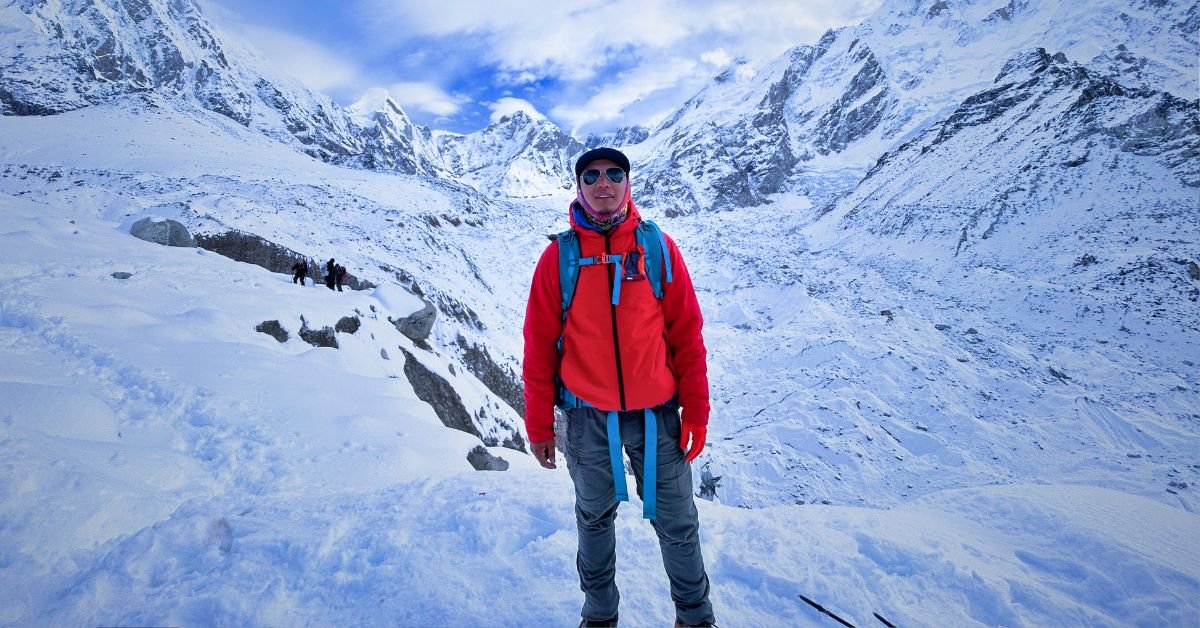
High Altitude Landscapes, especially above Namche, winter proclaims wind-sculpted snowfields, glaciers with more visible surface. And absolute contrasts between black rock and white snow. Kalapathhar after in winter, offers one of the clearest views of Mt. Everest – if you can put up with the cold.
These elements all make the Everest Base Camp Trek in winter the best trekking experience in Nepal.
Safety Considerations and Altitude Challenges
Altitude Always Matters
I always remind trekkers: respect altitude and treat it carefully first, and then weather second. So acclimatization days are necessary in all seasons, hydration is difficult in the cold weather, and appetite often decreases.
Cold-Related Risks
To do the Everest Base Camp trek in the winter season, add specific safety concerns such as Frostbite, Hypothermia, and frozen water bottles and batteries. So that good trekking gear and awareness about cold in the high mountains region are vital.
The flight to Lukla can be delayed
The main gateway to the Everest region is to fly to Lukla; during the winter season, it can be delayed because of the morning fog, winter winds, and snowfall. Therefore, always have an extra buffer day in your trekking schedule.
Essential Winter Everest Base Camp Trek Packing Tips
Winter season trekking demands better and smarter filling up not heavier gears.
Clothing
- Good quality down jacket (at least -20 degrees Celsius or above)
- Waterproof shell jacket and pants
- Warm trekking pants
- Insulating mid-layer (fleece or light down jacket)
- Thermal Base Layers (top and bottom)
- Four-season sleeping bag (-20 degrees Celsius and comfort)
Footwear and Gear
- Waterproof, Insulated trekking boot
- Microspikes or light crampons
- Thermal socks (multiple pairs)
- An extra pair of walking shoes
Accessories
- Insulated gloves and liner gloves
- Sunglasses with UV protection
- Warm hat and neck gaiter
- Headlamp
- Good quality Trekking poles
Other needed items
- Water bottle or Thermos
- Good quality Power bank
- Sunscreen and lip balm
- Moisturizer for dry skin
- Personal first aid kit
- Toilet paper
- Wet tissue (water will be very cold, and frozen wet tissue is better to clean)
Final Thoughts? My Personal Recommendation
Everest Base Camp Trek in winter is not for all, but for the right person. This season demands physical preparedness, mental solidity, and genuine respect for the mountains. But it will offer the perfect Himalayan experience who understand what they are stepping into. Because you will experience a quieter trail, sharper Mountain view, deeper cultural encounters, and a true sense of personal achievement.
In my long experience in guiding in the Khumbu, I have noticed something consistent: travelers who choose the winter season for Trek to Everest are not chasing Everest as a trophy. They come here to understand the altitude, isolation, and themselves.
As a professional trekking leader and guide, I often say this:
The spring and autumn seasons show Mount Everest at its most well-known. But the winter season shows it at its most real. So if you want to see the real and authentic Everest, please visit during the spring season.
Also, you can read The Best Winter Season Treks in Nepal